
Leave A Reply
Installation methods and common issues of acrylic stickers
The correct installation method can ensure that the acrylic stickers perform at their best and extend their lifespan. The following is the standard installation process and solutions to common problems.
Preparation before installation:
Surface cleaning: Wipe the adhered surface with alcohol or a neutral cleaner to thoroughly remove oil, dust, and moisture. The cleanliness of the surface directly affects the bonding strength. Oil stains can reduce the bonding force by more than 50%.
Environmental temperature: The recommended construction temperature is between 15 and 35°C. When the temperature is too low (< 5°C), the adhesive layer becomes hard and the initial adhesion force is insufficient; when the temperature is too high (> 40°C), the adhesive layer becomes too soft and is prone to overflow.
Test placement: For non-peeling adhesive paper, first place the sticker on the target position for a trial placement to ensure that the direction and position are correct.
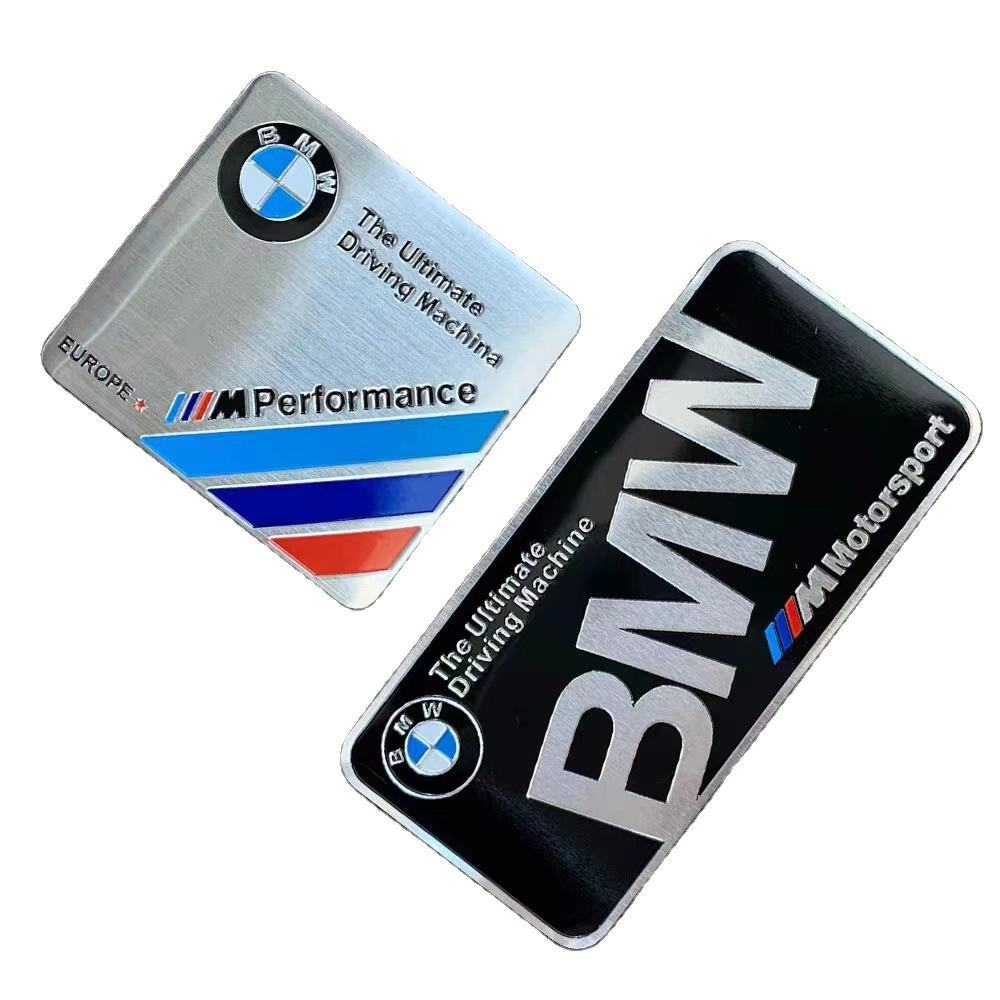
Paste steps:
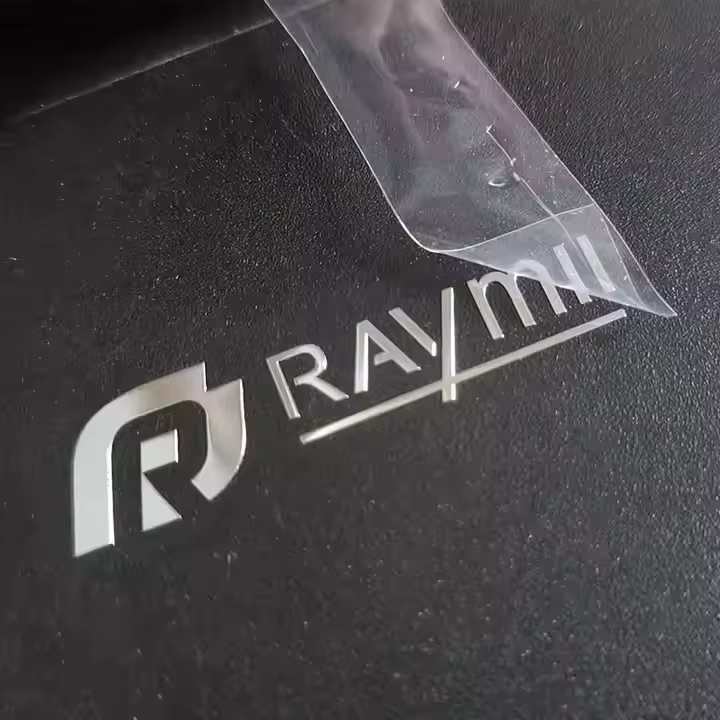
Remove the release paper (backing paper), be careful not to touch the adhesive surface to avoid contamination.
Align the sticker with the position, start from one end and gradually stick it on. Use a scraper or credit card to push from the center to the periphery to release any air bubbles.
For large-area stickers, the "hinge method" can be used - fix one strip in the middle of the sticker first, then peel off half of the release paper and stick it on, and finally peel off the other half.
After pasting, press the entire surface evenly with your palm to ensure that the adhesive layer is in full contact with the surface to be bonded. The optimal bonding strength will be achieved within 24 hours. During this period, avoid exposure to moisture and force.
Common Issues Resolution:
Bubble: Small bubbles can be punctured with a fine needle to release the air; large bubbles should be torn off and reattached.
Cracked edges: This usually occurs due to insufficient cleaning of the surface or low construction temperature. The edges can be re-cleaned and then heated with a hair dryer to press them back into place.
Residual glue: Products with removable glue usually do not have any residue. If there is residual glue, it can be wiped off with alcohol or a special glue remover.