
Leave A Reply
Core advantages of acrylic stickers: Water resistance, sun protection and durability
The outstanding durability of acrylic stickers is particularly remarkable, thanks to the molecular structure characteristics of the acrylic material. The ester groups on the main chain of the acrylic (PMMA) molecules give it excellent UV resistance and anti-aging properties, enabling it to maintain its physical performance and appearance quality for a long time in outdoor environments.
Waterproof performance is the fundamental advantage of acrylic stickers. The acrylic material itself does not absorb water and has a dense surface, preventing water from penetrating. Even in humid environments or situations where it is directly exposed to water (such as bathroom faucet labels or outdoor billboards), there will be no problems like blistering, delamination, or peeling that are common with paper stickers. Test data shows that high-quality acrylic stickers maintain a bonding strength retention rate of over 85% after being immersed in water for 72 hours.
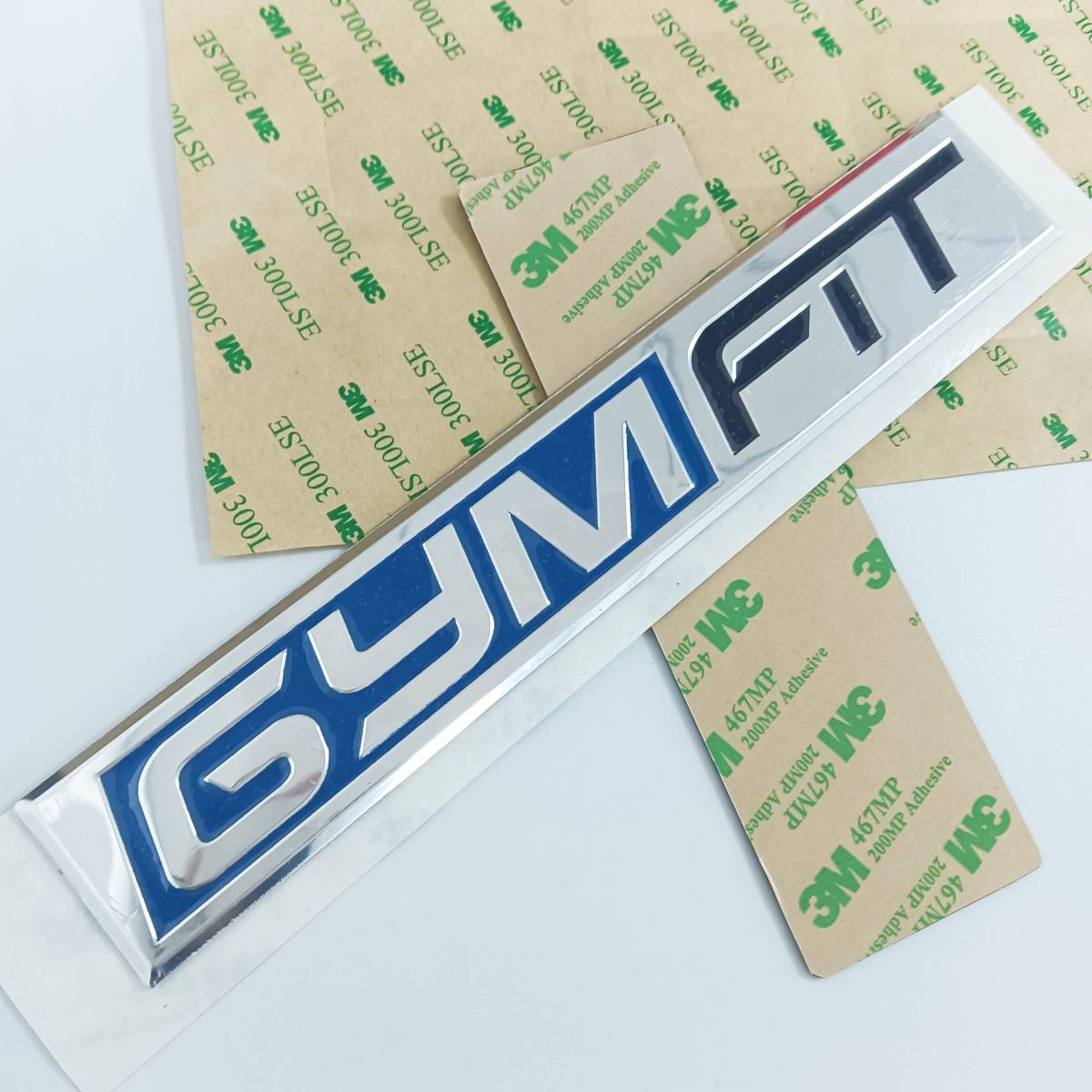
In terms of sun protection and weather resistance, acrylic stickers also perform exceptionally well. Ordinary stickers tend to fade and become brittle when exposed to direct sunlight. However, acrylic materials can effectively absorb and scatter ultraviolet rays, protecting the printed layer from being damaged. Combined with UV ink printing technology, the stickers can maintain their color vibrancy for 3 to 5 years when used outdoors. Research shows that acrylic materials have good dimensional stability within the temperature range of -40°C to 80°C and will not deform or curl due to thermal expansion and contraction.
The anti-abrasion performance is also an important selling point of acrylic stickers. The surface is usually covered with a protective film during production to prevent scratches during transportation and installation. During use, the surface hardness of acrylic is relatively high (Rockwell hardness M80-100), which is more resistant to daily friction and scratching than ordinary plastics.