
Leave A Reply
The Environmental Friendliness and Future Trends of Acrylic Stickers
Under the backdrop of increasingly strict environmental regulations, the environmental characteristics of acrylic stickers have received more attention, and technological innovation is constantly driving this material towards a more sustainable direction.
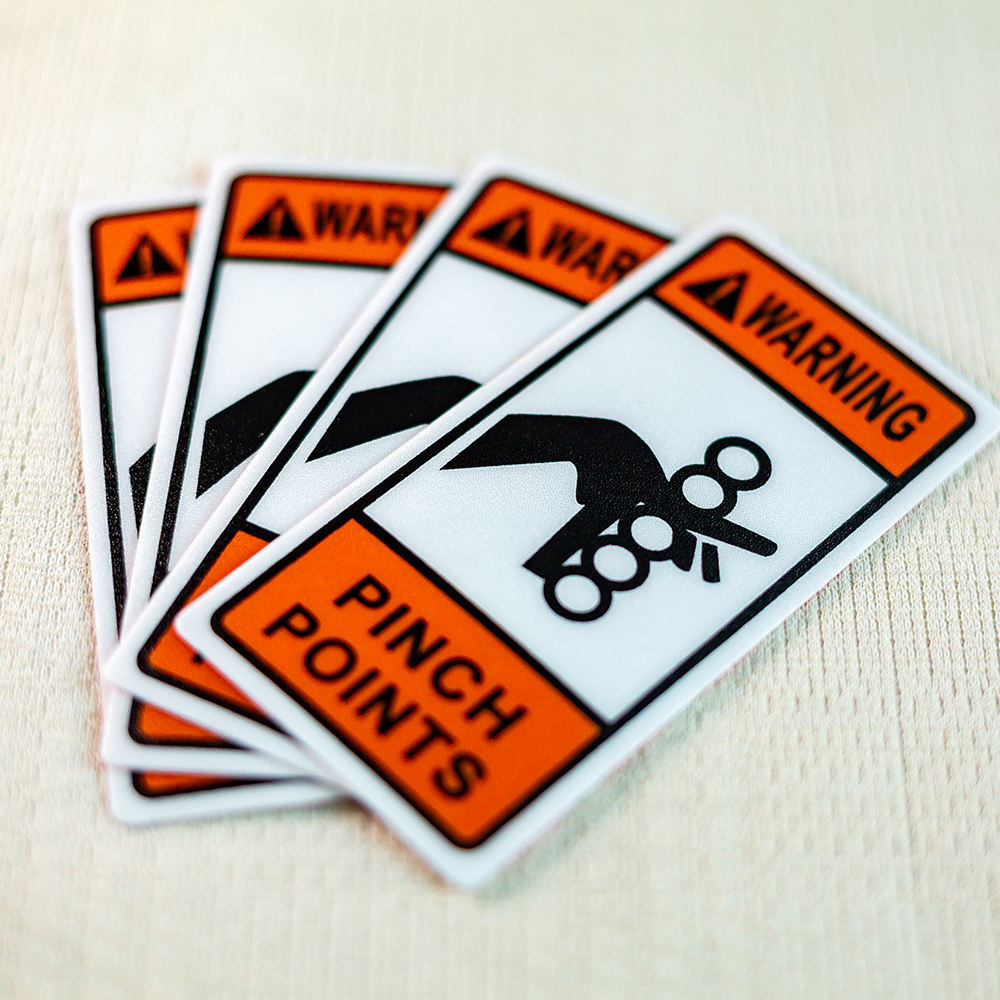
Environmental attributes: Acrylic (PMMA) is a recyclable material. The monomer methyl methacrylate (MMA) can be recycled and reused through depolymerization processes. Compared to PVC, acrylic does not contain chlorine and does not produce toxic substances such as dioxins during combustion. The promotion of water-based acrylic adhesives further reduces VOC (volatile organic compounds) emissions, meeting green printing standards.
Energy-saving production: The UV printing process uses ultraviolet curing and does not require high-temperature baking, with energy consumption being only 30-40% of that of the traditional heat-curing process. At the same time, the UV ink does not contain solvents, reducing VOC emissions at the source. Compared with traditional mechanical processing, laser cutting technology has a higher material utilization rate and generates less waste.
Durability equals environmental friendliness: The outdoor lifespan of acrylic stickers ranges from 3 to 5 years, which means reduced frequency of replacement and lower resource consumption. From a life-cycle perspective, a durable acrylic sticker is more environmentally valuable than a cheap alternative that requires frequent replacement.
Technological innovation direction:
Biobased acrylic: Producing MMA monomers using plant-based raw materials (such as corn starch), reducing reliance on fossil resources.
Biodegradable adhesive: Develop acrylic adhesive that can degrade under specific conditions, addressing the recycling challenge of difficult separation of adhesive layers.
Intelligent function integration: Embed RFID tags or temperature-sensitive indication functions in acrylic stickers to expand application scenarios.
Ultra-thinness and lightweighting: Through process optimization, achieve a thinner thickness (<0.3mm) while maintaining strength and reducing material usage.
Market trend: Customization, small batch production, and rapid delivery have become new demands of users, driving the application of digital printing technology in the field of acrylic stickers.