

Leave A Reply

Manufacturing Process of Acrylic Adhesive Sheets: From Raw Materials to Finished Products
The production of acrylic adhesive sheets involves multiple precise processes, and each step affects the quality of the final product. The first stage is the preparation of the base material. Acrylic sheets produced by casting or extrusion methods are cut to the desired thickness (usually 0.5 - 5mm), and the surface undergoes corona treatment to enhance the adhesion of the ink.
The printing process is the key factor determining the quality of the pattern. UV flatbed printing is one of the current mainstream processes. Its advantages lie in: UV ink solidifies instantly under ultraviolet light, the ink dots do not spread, and it can present high-precision images and text; at the same time, UV ink is environmentally friendly and does not contain volatile organic solvents. Screen printing is suitable for large color blocks and text designs, with an ink layer thickness of 20-50 micrometers, strong color saturation and good three-dimensionality.
The die-cutting and shaping are carried out using laser cutting or CNC engraving technology. The laser cutting accuracy can reach ±0.1mm, enabling the realization of complex contours and special designs. The edges are smooth and do not require any secondary processing. CNC engraving is suitable for thick plate materials, and the cutting surface presents a frosted texture, adding a sense of sophistication.
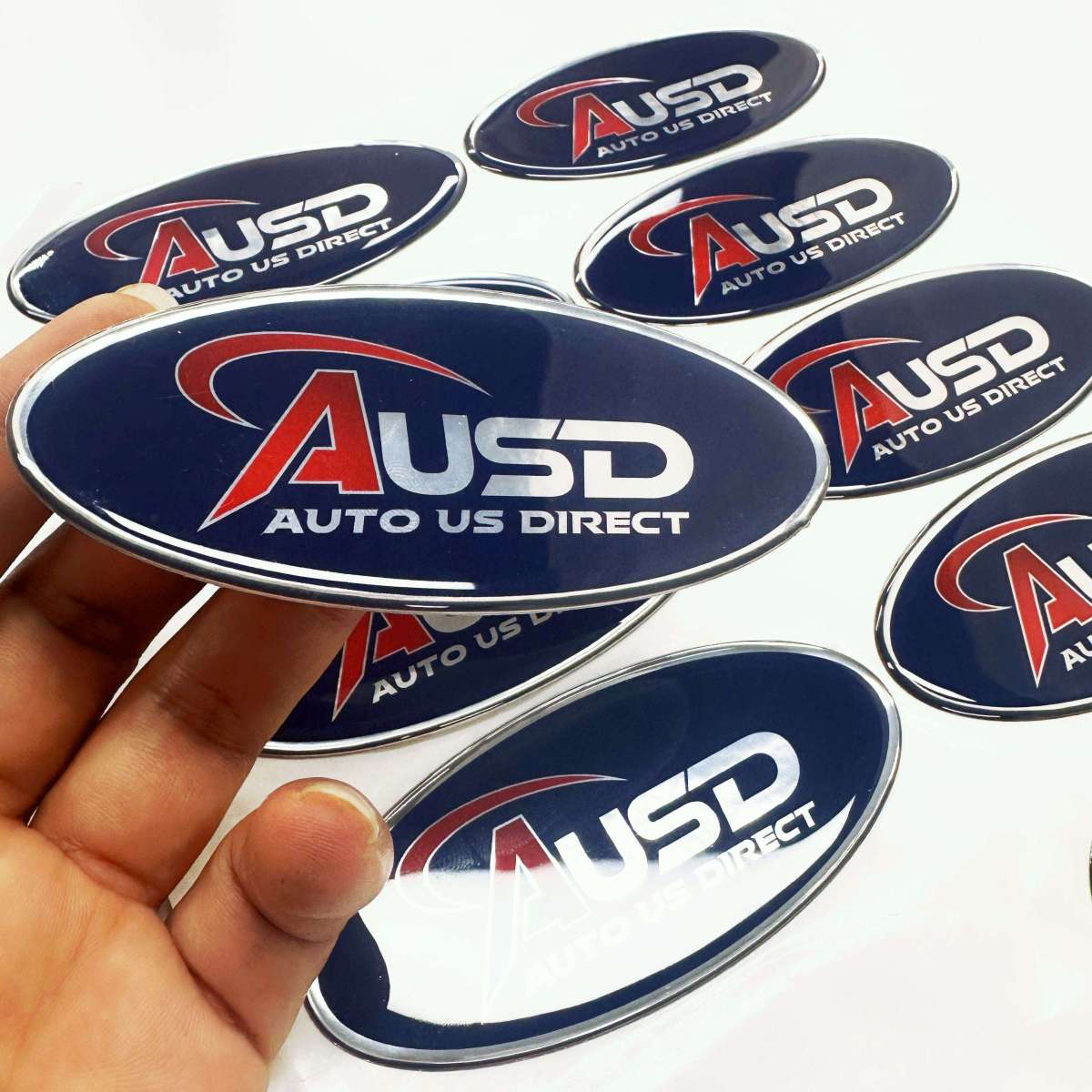
Adhesive coating is another core technology. Acrylic pressure-sensitive adhesive is evenly coated on the back of the acrylic substrate by a precision coating machine, with the coating thickness controlled at 20-30 grams per square meter. If it is too thin, it will affect the bonding strength; if it is too thick, it may cause glue overflow. After coating, it is dried in an oven to remove the solvent, then the release paper is attached, and it is rolled up to form a semi-finished product.
The quality inspection process includes: adhesion test (grid method), weather resistance test (accelerated aging in UV aging chamber), water resistance test (constant temperature water bath), etc. Each batch of products also needs to undergo a 180° peel strength test to ensure it meets the standard requirements (usually not less than 8N/25mm).