Leave A Reply
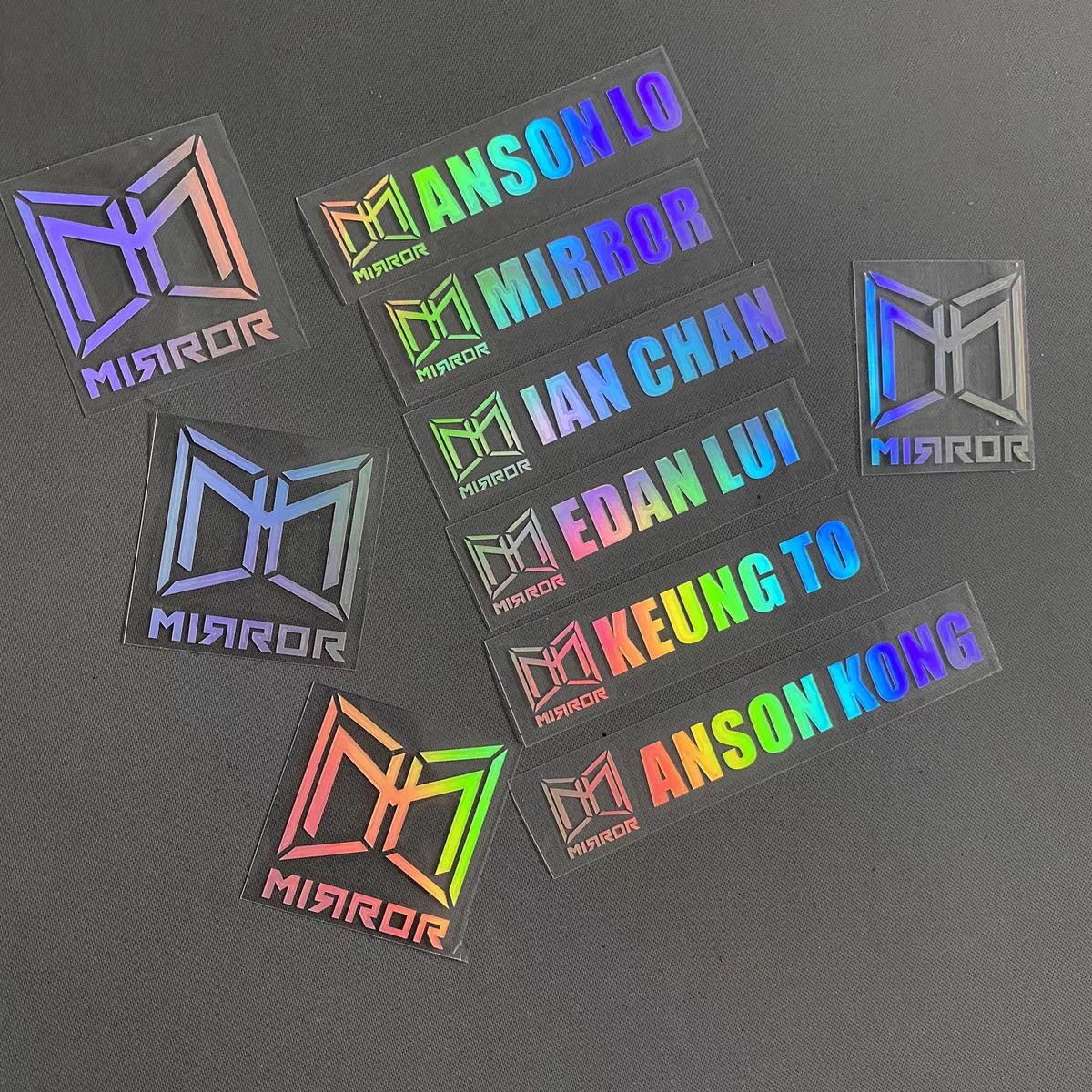
Technical Specifications and Selection Guide for Acrylic Stickers
When choosing the appropriate acrylic stickers, it is necessary to pay attention to the following key technical parameters. These indicators determine whether the product meets the requirements of specific application scenarios.
Thickness: The base material thickness of acrylic stickers usually ranges from 0.5mm to 5mm. The thin type (0.5-1mm) is suitable for flat decoration and lightweight signs, with good flexibility and capable of adapting to slightly curved surfaces. The thick type (2mm or more) has a more solid texture and is suitable for making three-dimensional characters and signs, with strong impact resistance. The choice of thickness should balance visual effect, cost, and installation convenience.
Transparency: The light transmittance of the high-transparency acrylic stickers can reach 92%, approaching the level of optical glass. Transparent products are suitable for window decoration, glass partition signs, and scenarios where the color of the adhered object itself needs to be utilized. Semi-transparent or frosted effects are used in situations where soft light is needed or privacy protection is required.
Bonding strength: Measured by 180° peel strength, in units of N/25mm. Permanent fixation type typically ranges from 10 to 15 N/25mm, while removable type is 3 to 6 N/25mm. Selection principle: Smooth surfaces (glass, metal) can use standard adhesion; rough surfaces or outdoor environments require high-adhesion type; for scenarios where replacement is necessary, removable type should be chosen.
Temperature range: The working temperature of regular acrylic stickers is -20°C to 80°C. They can withstand up to 120°C for a short period. For applications near automotive engine compartments or high-temperature equipment, choose special high-temperature-resistant models. When applying in low-temperature environments, be aware of the problem of the adhesive layer hardening. It is recommended to preheat the surfaces to be bonded.
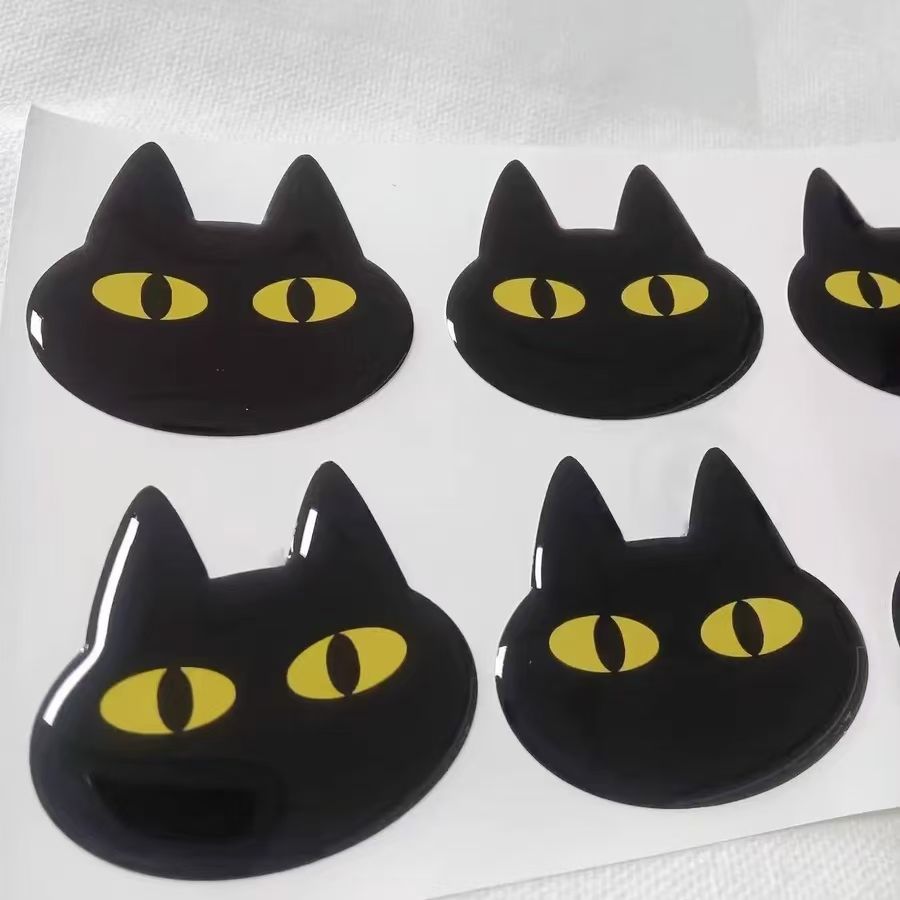
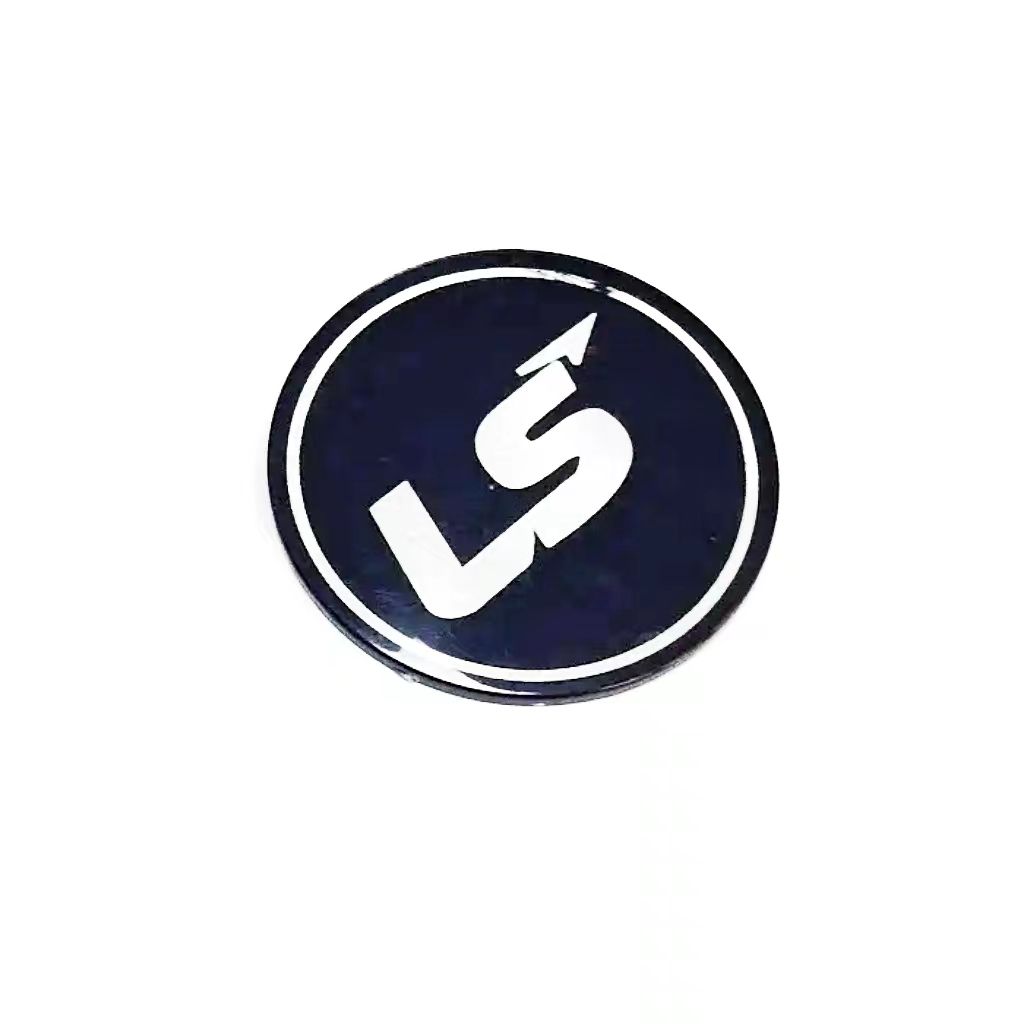
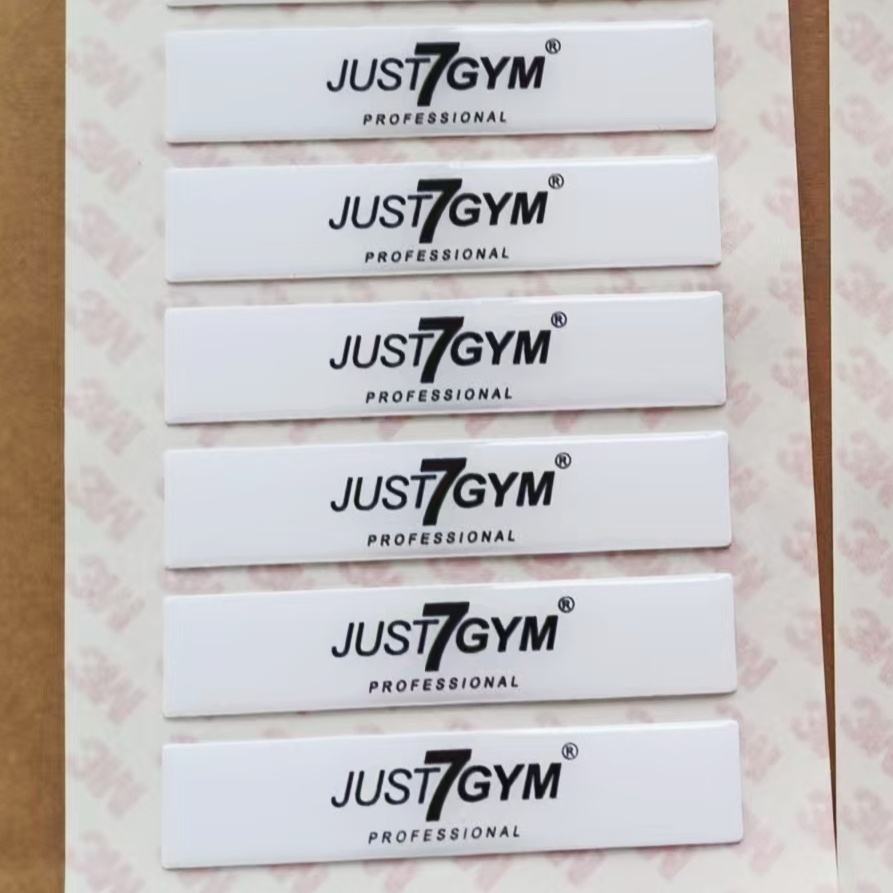
Customization capabilities: Support customization of shape, size, color and pattern. UV printing is suitable for full-color photo-level patterns; screen printing is suitable for spot colors and text; laser cutting is suitable for irregular contours. The cycle for small batch customization is usually 5-7 working days, and for large batches, it can be shortened to 3-5 days.