
Leave A Reply
What is acrylic sticker? Basic definition and structural analysis
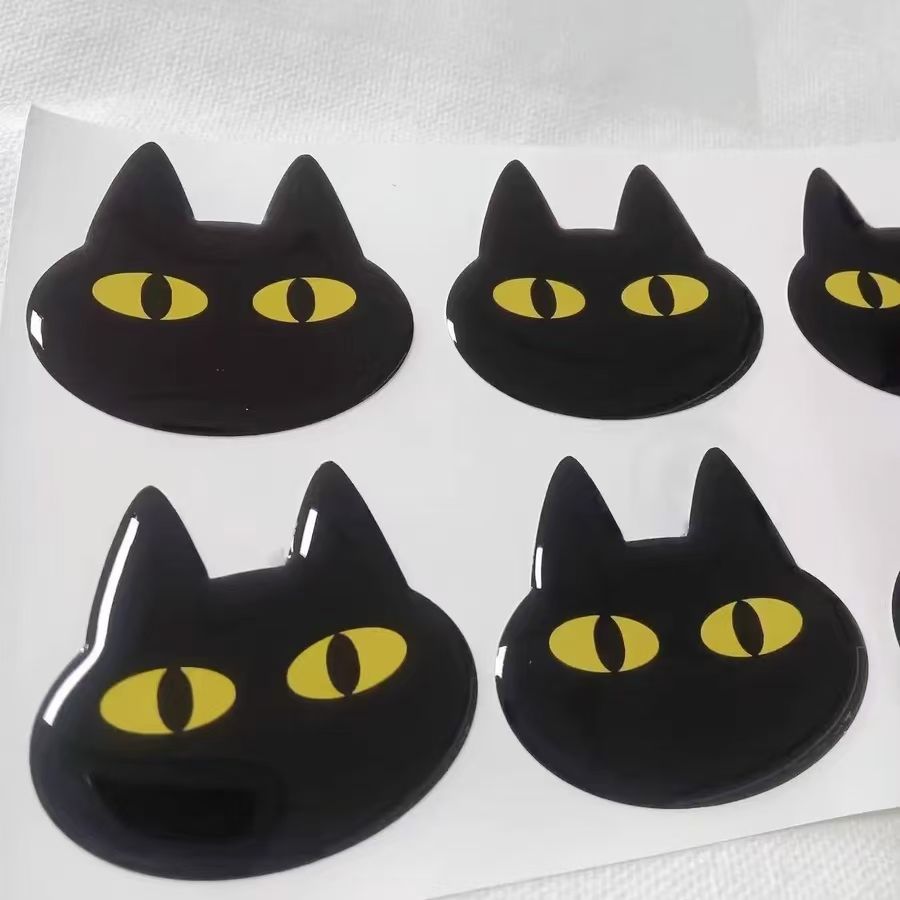
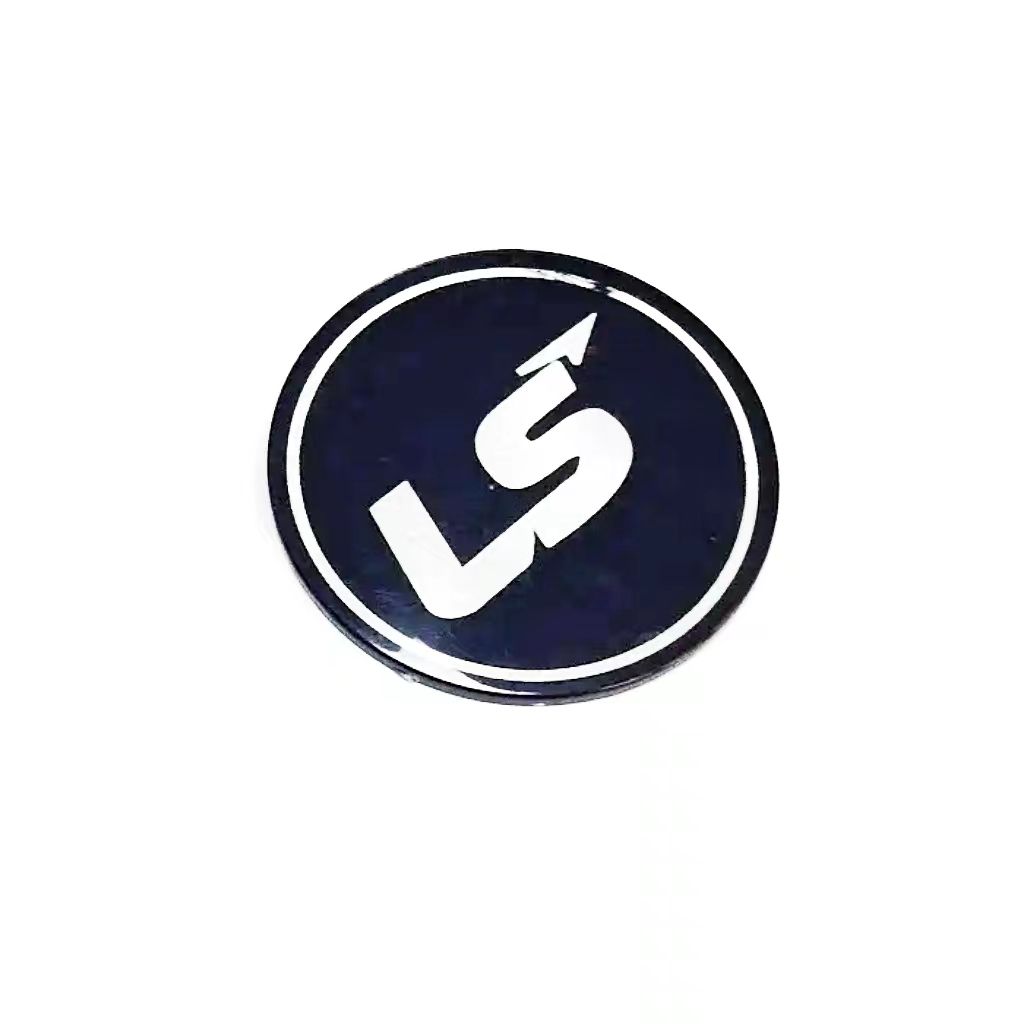
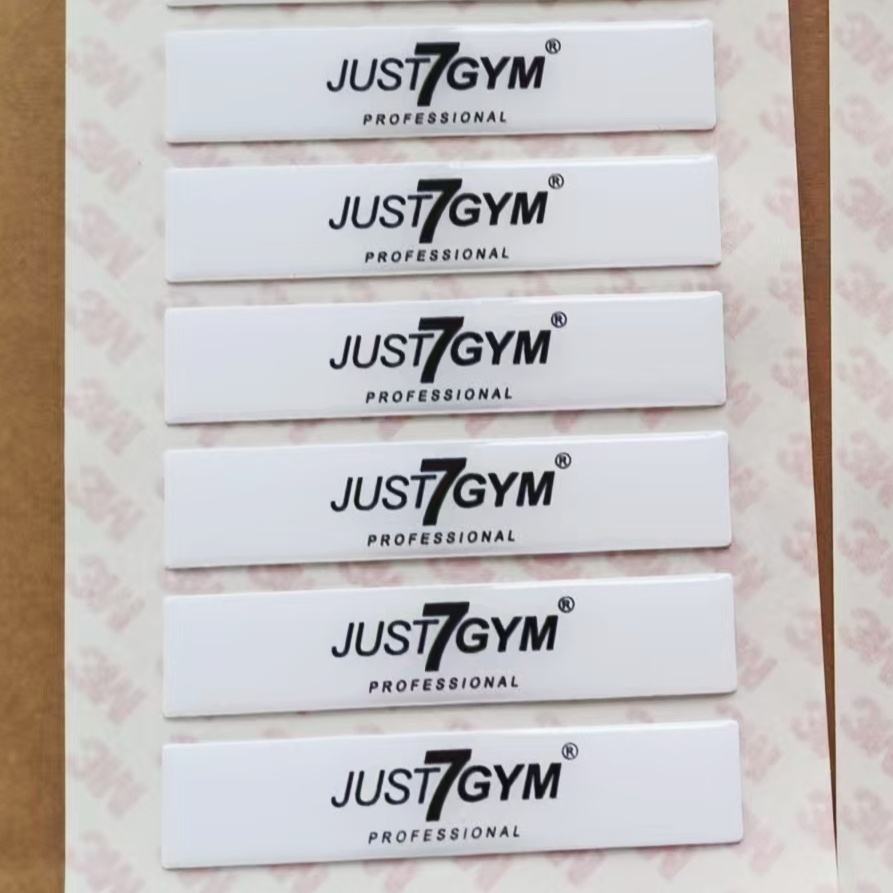
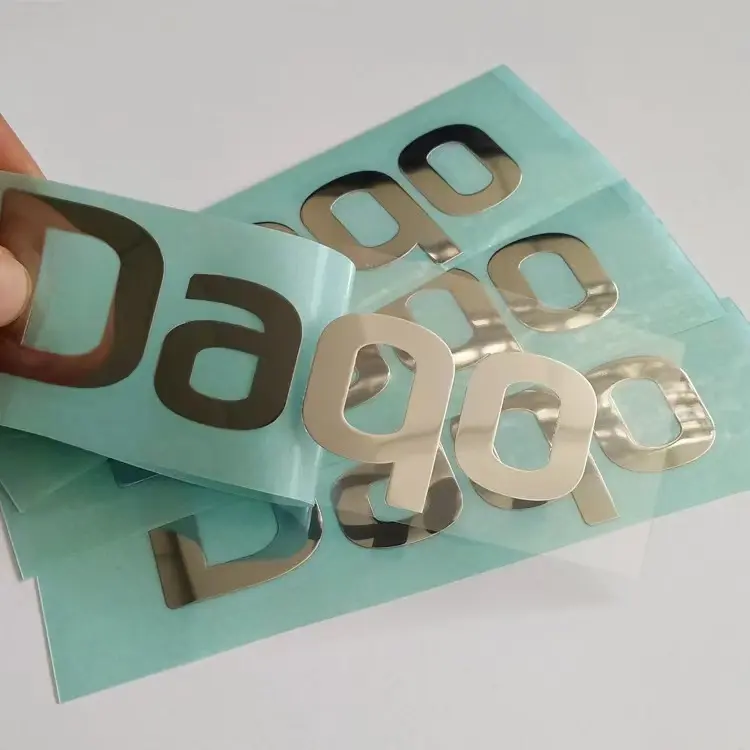
An acrylic sticker is a self-adhesive label product made with polymethyl methacrylate (PMMA, also known as acrylic) as its core material. From a structural perspective, it usually consists of three layers: the surface is the acrylic material layer, the middle is the adhesive layer (usually acrylic pressure-sensitive adhesive), and the bottom is the release paper (back release paper). This structural design enables it to have both aesthetic appeal and practicality.
Acrylic material itself has high transparency, good glossiness and excellent weather resistance. Compared with ordinary paper stickers or PVC stickers, acrylic stickers have a smoother surface, better visual effect, and are less likely to deteriorate due to light or humid environment. Their light transmittance can reach over 92%, approaching the transparency of glass, but their weight is only half that of glass and they are less prone to breakage, thus having higher safety.
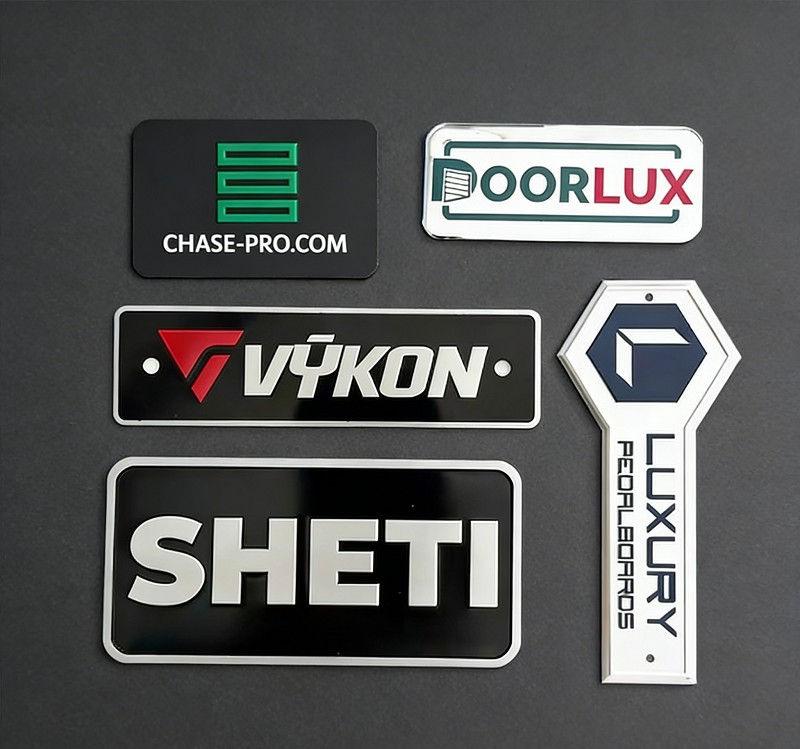
In terms of manufacturing process, acrylic stickers usually adopt UV flat printing or screen printing techniques. UV printing can present rich colors and fine gradation effects, making it suitable for complex pattern designs; screen printing has a thick ink layer and high color saturation, making it suitable for text and color block type logos. Precise cutting technology ensures that the edges of the stickers are smooth without burrs, enhancing the overall texture.
The adhesive system of acrylic stickers is another key technical point. High-quality products use acrylic pressure-sensitive adhesive, which has strong initial adhesion and good retention properties. It can form a firm adhesion effect on various surfaces. At the same time, some high-end products adopt removable adhesive technology, allowing for easy removal without leaving any residue, making it convenient for replacement.